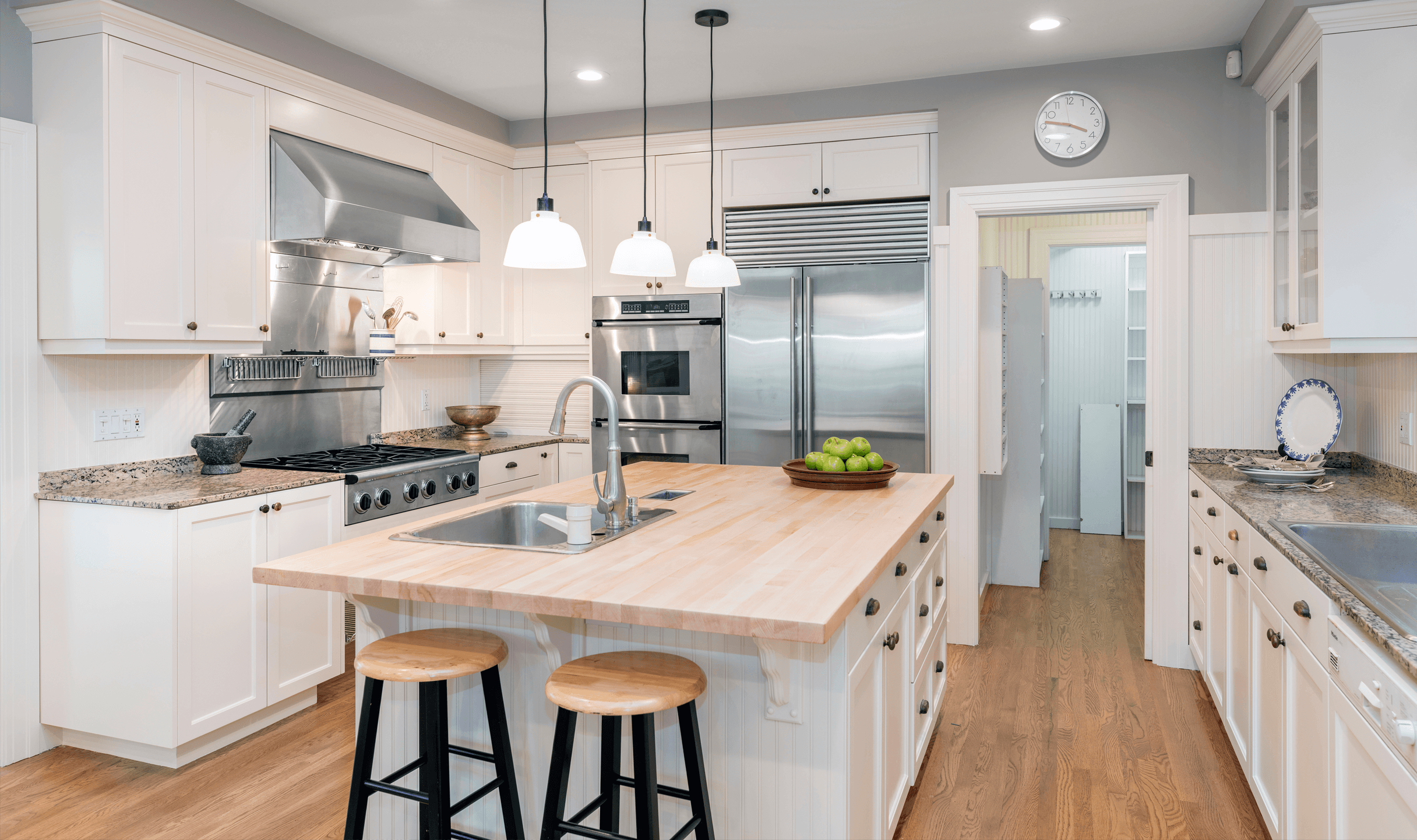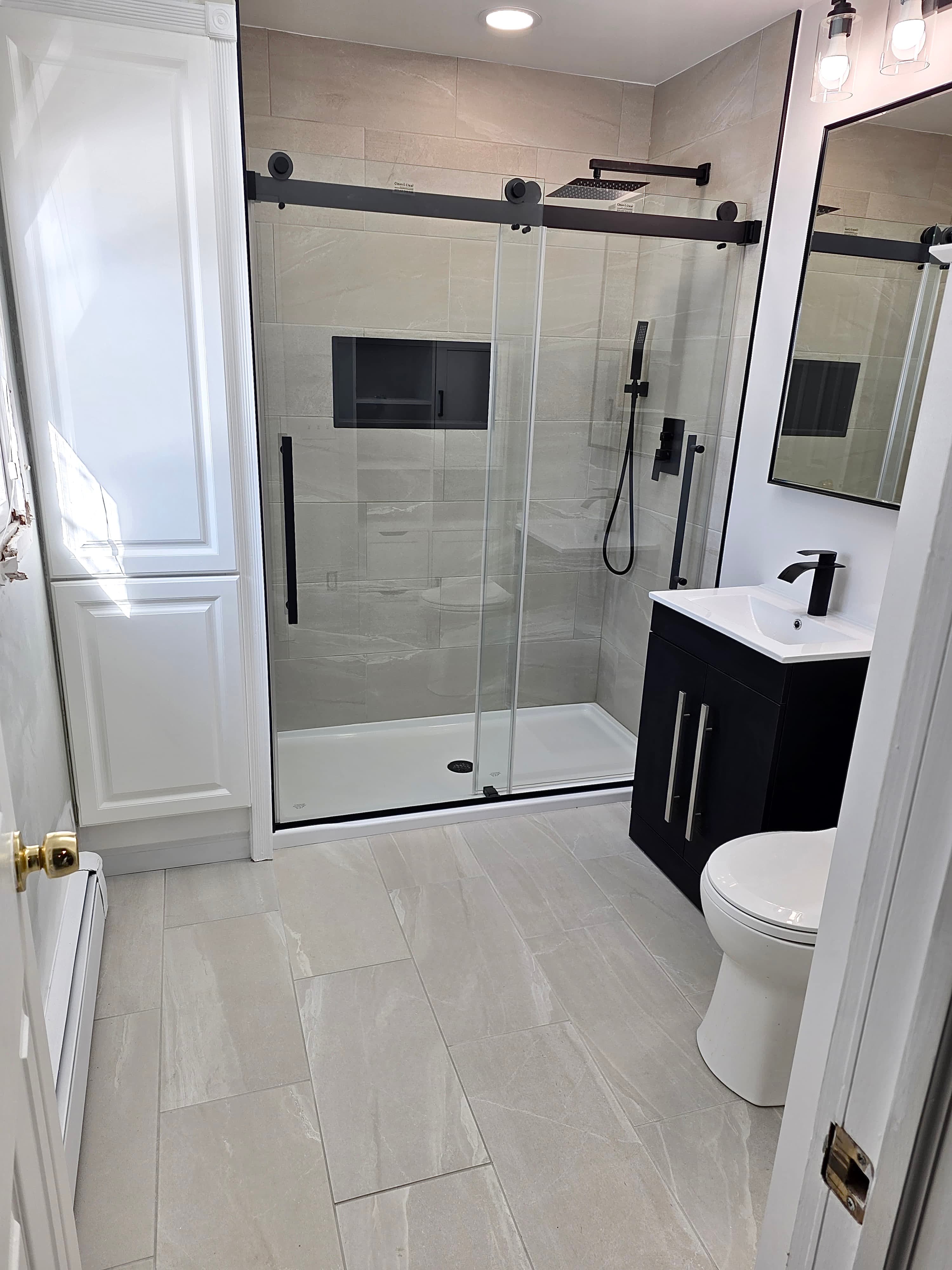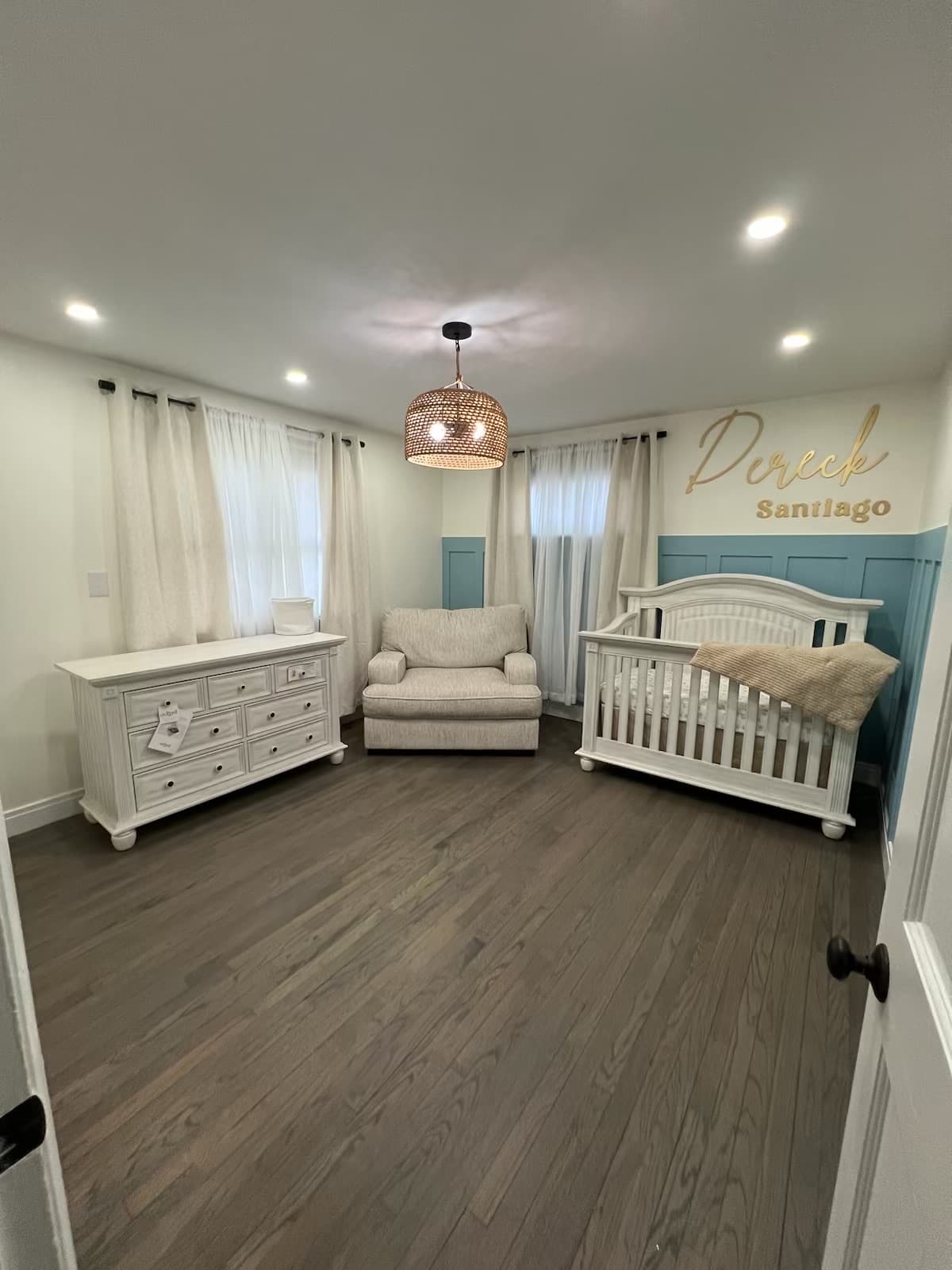
It's one of the biggest decisions a homeowner can make: pour money into your existing home or tear it down and start fresh. Here's how to think through it clearly, with specific considerations for Rockland County homeowners.
The question comes up more often than you'd think: a homeowner has owned their property for 15 or 20 years, their needs have changed, and they're facing the prospect of a major renovation. At some point in the planning process, the question surfaces — what if we just knocked it down and built new? It's a legitimate question, and for some homeowners in some situations, it's the right answer. But it's also the most expensive and disruptive path possible, and the conditions that justify it are fewer than most people assume.
The Case for Renovation
Renovation wins in the majority of cases for one fundamental reason: you're working with a home whose structure, foundation, and systems already exist and largely function. Even a dated 1970s Colonial in Pearl River or a 1960s split-level in Nanuet has a foundation that's already been in the ground for 50+ years — it's proven itself. New construction comes with its own risks and unknowns during the first 5–10 years. When you renovate, you preserve the value that's already embedded in the existing structure.
Renovation also allows for incremental investment over time. You don't have to do everything at once. A family might renovate the kitchen and primary bath one year, add a finished basement the next, and tackle siding and windows the year after that. Each project improves the home and builds equity while staying within annual budget constraints. New construction requires the entire cost upfront.
When Renovation Clearly Makes Sense
- The home's bones are sound: good foundation, solid framing, no significant structural damage or settlement.
- The existing layout works for your family with moderate adjustments: opening a wall, adding a bedroom, finishing a basement.
- The renovation cost is below 50% of the home's current market value. Above that threshold, the math starts to favor rebuilding.
- You're in a neighborhood where your home is already in the lower half of the price range — renovation brings you up to market, not above it.
- You have an emotional attachment to the home and want to preserve its character.
The Case for Rebuilding
There are specific situations where rebuilding genuinely makes more sense than renovating. The clearest case is structural compromise: foundation failure, extensive termite damage through primary structural members, or a home that has settled so unevenly that no amount of renovation can make it level and plumb. When the structure itself is unsound, renovation costs escalate dramatically and the result is still a patched structure rather than a sound one. In these cases, demolition and rebuild is the cleaner solution.
The second clear case is when the home's fundamental layout cannot meet your needs without a complete transformation. Some floor plans are simply incompatible with modern living — low ceilings throughout, an awkward traffic pattern that can't be fixed without moving load-bearing walls, inadequate room sizes throughout. When 80% of the structure needs to change anyway, rebuilding can be comparable in cost to a whole-home renovation while giving you a new foundation, new systems, and current energy codes.
When Rebuilding Makes Sense
- Structural compromise: foundation failure, extensive rot, termite damage to primary framing, significant settling.
- The renovation scope approaches 80–100% of the home's value — at that point you're essentially paying for a new home while tolerating old-home constraints.
- The home's footprint is significantly undersized for a lot that could support a larger structure (common in parts of Rockland County where lots are larger than the existing home suggests).
- You want a fundamentally different architecture — a contemporary home on a property currently occupied by a cape cod, for example.
- The home has major environmental remediation issues (lead paint, asbestos, oil tank contamination) that would significantly increase renovation costs.
Rockland County-Specific Considerations
If you're in Rockland County, there are a few local factors that don't apply everywhere. First, zoning: the county's municipalities each have their own setback requirements, lot coverage rules, and height limits. A new home on the same footprint as the old one is generally straightforward. But if you want to build larger or change the massing, you may need a variance — which adds time, cost, and uncertainty. Check with your town's building department before assuming you can build what you envision.
Second, Rockland County's strong real estate market means renovation ROI is generally excellent. Median home sale prices in towns like Tuxedo, Upper Nyack, and Montebello regularly top $600,000–$800,000 for quality renovated homes. In most neighborhoods, a well-renovated existing home will appraise above a comparable new build because buyers pay a premium for established landscaping, mature trees, and neighborhood character that new construction can't replicate for 10–15 years.
The 50% Rule: A Useful Rule of Thumb
The most commonly cited heuristic in the industry is the 50% rule: if your renovation costs exceed 50% of the home's current value, you should seriously evaluate rebuilding. At a Rockland County home valued at $500,000, that threshold is $250,000. Most whole-home renovations don't approach that number unless they involve major structural work, complete system replacements, and high-end finishes throughout. But when they do, the conversation shifts.
This rule is a starting point, not a definitive answer. A $300,000 renovation on a $550,000 home might still make sense if the renovation delivers $400,000 in value improvement — which is possible in the right Rockland County neighborhood with the right scope of work.
Getting Professional Input Before Deciding
The best way to answer the renovate-vs-rebuild question for your specific home is to get a professional structural assessment and a detailed renovation estimate simultaneously. The structural assessment (typically $500–$1,500 from a licensed structural engineer) will tell you whether the foundation and framing are sound enough to justify a major renovation investment. The renovation estimate will tell you what achieving your goals actually costs. With both in hand, you can make a decision grounded in real numbers rather than assumptions.
Q's Home Improvement provides detailed, itemized renovation estimates at no charge. We walk through your home with you, understand your goals, and give you an honest assessment of what the renovation will involve, what it will cost, and what the result will look like. We'll also tell you directly if we think a scope of work is pushing into territory where rebuilding deserves a serious look — because our goal is a renovation you'll be happy with 10 years from now, not just on completion day.
Not Sure Which Path Is Right for Your Home?
Get a free consultation with Q's Home Improvement. We'll assess your home, discuss your goals, and give you an honest recommendation — whether that means a renovation we'd love to do or an honest conversation about alternatives.
Schedule a Free ConsultationTags